
Galaxy A16 Vs iPhone 13 Pro Max

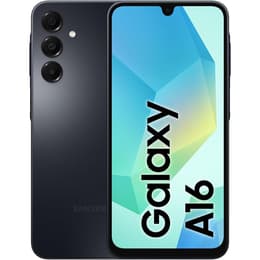
Galaxy A16
Galaxy A16
Starting at

Refurbished price:£100.62

Versus £206.96 new

See options
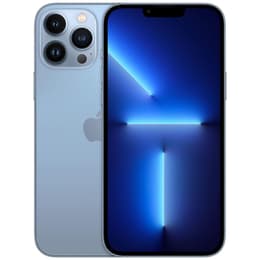
iPhone 13 Pro Max
iPhone 13 Pro Max
Starting at

Refurbished price:£272.00

Versus £1,259.00 new

See options

Ratings

The Samsung Galaxy A16 (2024) and the iPhone 13 Pro Max (2021) represent two distinct eras and philosophies in the smartphone market. While the Galaxy A16 is a contemporary entry-level device designed to provide modern essentials, the iPhone 13 Pro Max remains a powerful former flagship that prioritises premium materials and advanced media capabilities. The primary difference between these two lies in their original market positioning and age, with the Galaxy offering the latest Android software features while the iPhone provides a high-end iOS experience that has aged gracefully over several years.

Choosing between these devices involves weighing the benefits of a brand-new, modern-standard device against the enduring performance of a top-tier model from a few years ago. Both smartphones cater to users who value large displays and reliable battery life, but they achieve these goals through different hardware and software optimisations.

Scores

Durability

The Galaxy A16 and iPhone 13 Pro Max offer different perspectives on longevity based on their release dates and manufacturer support cycles.

  • Software Support: The Galaxy A16, being a much newer release, benefits from a modern commitment to long-term security patches and operating system updates, potentially receiving support until the end of the decade. In contrast, the iPhone 13 Pro Max is closer to the end of its official update cycle, though Apple typically provides several years of maintenance even for older models.
  • Hardware Resilience: The iPhone 13 Pro Max features a stainless steel frame and Ceramic Shield glass, which provides significant structural rigidity and a solid feel. Opting for an eco-friendly alternative through refurbishment ensures these high-quality materials continue to serve a purpose rather than entering the waste stream.
  • Repairability: Samsung’s A-series devices are often noted for a more straightforward internal layout, making common fixes like screen or battery replacements more accessible for independent technicians compared to the more complex internal architecture of the iPhone.

Year of Release

2024

2021

Compatible with latest Update

Yes

Yes

OS

Android

iOS

Foldable

No

No

Performance

When comparing daily usage, these two devices cater to different levels of intensity and multitasking requirements for the average user.

  • System Responsiveness: The iPhone 13 Pro Max continues to handle demanding tasks, such as high-resolution video editing and complex mobile games, with a level of fluidness that remains competitive with modern high-end devices. The Galaxy A16 is designed for reliability in standard applications like web browsing and social media, providing a stable experience for everyday tasks.
  • Multitasking Capabilities: With a focus on efficiency, the iPhone manages background apps effectively, ensuring that switching between tools remains seamless. The Galaxy A16 provides sufficient memory for standard multitasking, though users who keep dozens of apps open simultaneously may notice the iPhone’s more robust handling of heavy workloads.
  • Battery Endurance: Both smartphones are known for their ability to last through a full day of heavy use. The iPhone’s larger physical footprint allows for a substantial battery that users frequently report as one of its strongest features, while the Galaxy A16 uses a modern, power-efficient processor to maximise its runtime.

Memory (GB)

4 GB

6 GB

Screen quality

The visual experience on these devices is shaped by their display technologies and how they handle motion, brightness, and colour accuracy.

  • Display Technology: The iPhone 13 Pro Max uses a sophisticated OLED panel with adaptive refresh rates, allowing for smooth scrolling and transitions that adjust based on the content being viewed. The Galaxy A16 also features a vibrant display that offers deep blacks and rich colours, making it well-suited for streaming video and viewing photos.
  • Outdoor Visibility: While the Galaxy A16 offers a clear screen suitable for most environments, the iPhone 13 Pro Max reaches higher peak brightness levels. This makes the display easier to read under direct sunlight or in very bright outdoor conditions where glare might otherwise be an issue.
  • Viewing Experience: Both devices offer expansive screens that are ideal for watching films or reading long articles. However, the iPhone’s higher pixel density results in sharper text and finer details, which is particularly noticeable when viewing high-resolution images or small fonts.

Resolution

1080 x 2340

1284 x 2778

Screen type

Super AMOLED

Super Retina XDR OLED

Audiovisual

Photography and video capabilities mark one of the most significant distinctions between these two generations of mobile technology and their respective tiers.

  • Lens Versatility: The iPhone 13 Pro Max includes a dedicated telephoto lens for optical zoom, allowing users to capture distant subjects without losing detail. The Galaxy A16 lacks this specific hardware, relying instead on a standard wide and ultra-wide setup that is better suited for landscapes and group shots.
  • Video Production: Users interested in creating content will find the iPhone’s video stabilisation and cinematic recording modes to be highly effective for producing professional-looking footage. It captures motion with a level of clarity and smoothness that is difficult for entry-level sensors to replicate.
  • Low-Light Performance: The Galaxy A16 performs well in bright daylight, but the iPhone 13 Pro Max utilises larger sensors and advanced light-gathering technology to produce clearer, less grainy images in dim environments, such as indoor gatherings or evening walks.

Main camera

50 megapixels

12 megapixels

Front camera

13 megapixels

12 megapixels

Miscellaneous

Beyond the core specifications, the physical design and connectivity options influence how these phones feel in the hand and interact with other electronics.

  • Build and Weight: The Galaxy A16 is constructed primarily from durable plastics, making it noticeably lighter and easier to handle for long periods. The iPhone 13 Pro Max is a heavy, substantial device that feels very solid but may cause more hand fatigue during extended use.
  • Connectivity and Ports: The Galaxy A16 uses the universal USB-C standard for charging and data transfer, which is compatible with most modern laptops and tablets. The iPhone 13 Pro Max relies on the Lightning port, which may require different cables for users who have already transitioned to USB-C for their other gadgets.
  • Biometrics and Security: The iPhone uses facial recognition for secure unlocking, which is integrated into the front-facing sensors for a hands-free experience. The Galaxy A16 typically employs a fingerprint sensor located on the side power button, offering a quick and tactile way to access the device.

Weight

200 g

238 g

Screen size (in)

6.7

6.7

Mobile network

4G

5G

SIM card

Dual Physical SIM

Physical SIM + eSIM

Carrier compatibility

Unlocked

Unlocked

Connector

USB-C

Lightning

User feedback on community forums highlights a clear divide in preference based on individual priorities. The iPhone 13 Pro Max is frequently praised for its exceptional battery life and the enduring quality of its camera system, though some users find its weight and the older Lightning port to be minor inconveniences in a modern tech ecosystem. Conversely, the Galaxy A16 is appreciated for being a modern, lightweight option that provides a fresh battery and the latest software out of the box, though it is noted that it cannot match the raw processing power of a former flagship model.

Users who prioritise professional-grade photography, a premium metal build, and the iOS ecosystem will likely find the iPhone 13 Pro Max to be the better fit for their needs. Those who prefer a lighter device with a longer future of software updates and the convenience of universal USB-C charging may lean toward the Galaxy A16. Choosing a quality-assured refurbished option for either model is a sustainable choice that allows users to access these features while reducing electronic waste. Ultimately, the decision rests on whether one values the peak performance of a past flagship or the modern standards and longevity of a current-generation entry-level device.
See all articles

Our recent comparisons