

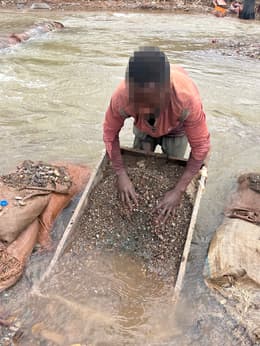
A Congolese worker near a Katanga tantalum mining operation. Credit: David Maenda Kithoko.
Tantalum is highly sought after because it has unique properties that make it essential for the mass production of modern electronics. As a raw material, it regulates power and manages heat, allowing fast tech manufacturers to make incredibly small but stable capacitors to control the energy within their devices. In plain terms, tantalum allows a smartphone to be compact, high-performing, and durable—all at once.
Yet in my birth nation, the Congo (which is home to 50% of global tantalum output, according to Reuters), mining operations for tantalum are destroying lives and the natural environment. This affects the whole world, because Congo has one of the largest remaining forest landmasses in terms of carbon dioxide absorption. In the Congo Basin alone, there has been significant forest loss (minus 500 hectares per year for the past 10 years) due to mining-related extraction.
I was born in South Kivu and grew up in the middle of multiple wars. I’ve experienced the fear of not knowing if tomorrow will come for you or your family. The hunger... and living in a place where you can’t access food or might even get shot. I’ve watched my neighbors get killed; seen the dusty bodies of children being carried out of mines; and witnessed women raped by armed militias. A major reason all of this has happened is because people want access to mines and will use violence to get their way. They know how profitable mining can be.
For this kind of exploitation to happen, you first need a favorable political regime. In southern Congo and Katanga, there are industrialized mines for cobalt and copper. These are places where corruption is also rampant. But in the Kivu regions, hundreds of militias are fighting for control of coltan, which is then used to extract tantalum. To extract on a massive and intensive scale, you need an unlimited, compliant workforce and a regime that will turn a blind eye to all the destruction of nature that occurs in the process.
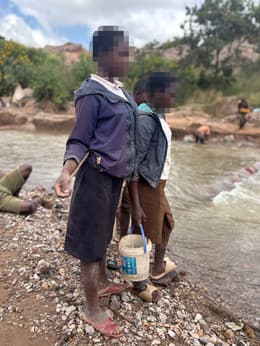
Congolese children workers near a Katanga tantalum mine. Credit: David Maenda Kithoko
Basically, if you live in North Kivu, you might be killed by an armed group or forced to work in a dangerous mine. If you live in the South, in either Katanga or Kolwezi, you may not die as often by bullets, but you can still die from toxic water or gases released by the industrial mines. From my experience living in the DRC, many of my friends from primary school are no longer alive today. Being born in the Congo means you are much more likely to die young due to the conflicts and pollution associated with raw material extraction. It is this war economy, built around the exploitation of minerals, that claims the most lives.
I’ve now been a refugee in France for more than a decade. I have dedicated my life to exploring how extraction, particularly of metals like tantalum used to create iPhones and Galaxy phones, is causing irreversible damage to our world. With my NGO Génération Lumière, I am trying to find technical solutions that can clean up the tantalum supply chain in Congo and empower the workers.
I’ve already worked on a campaign that forced the European Commission to stop a financial deal that was fueling a dangerous artisanal tantalum mine and the deadly M23 militia (which operates in Bukavu, Goma, and many other cities in eastern Congo). This advocacy campaign, conducted first at the European Parliament level and then with the European Commission, helped halt €10 million in funding intended for the Rwandan army, which The Guardian reports is the mastermind behind the M23 militia. However, there’s still a long way to go.
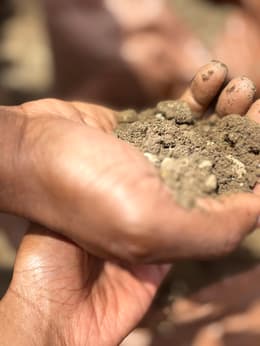
Tantalum miners search through the soil. Credit: David Maenda Kithoko
In the future, refurbished tech can reduce some of the pressure on the tantalum supply chain. If we all keep our old devices longer, then maybe the mines won’t need to stay open. The companies that manufacture these smartphones also need to make them repairable—if you change the entire nature of consumption, it’s less likely an armed group can prosper in a place like the Congo.
My NGO is currently working to create a network across the Congo so we can monitor human conditions and have constant information to share with the media. The Congo has a lot of talent and many beautiful people, but in the West, we are only known for war and for our blood. For so long, we’ve been dehumanized; this is because of the world’s need to exploit the Congolese for cheap labor and raw materials. I know I’m privileged to be alive right now, as many of my friends didn’t make it this far. But I won’t let their deaths be in vain.
By changing how we look at tantalum, and Congo’s role in supplying it to fast tech, we can finally bring some humanity and dignity back to my country.
As told to Thomas Hobbs. David Maenda Kithoko is the founder of the Génération Lumière association, which initiated the resolution adopted by the European Parliament on February 13, 2025, concerning the escalation of violence in eastern Democratic Republic of the Congo. You can donate to Génération Lumière here.
The most sustainable phone is the one that already exists.
Back Market is fighting for a world where phones last for 10 years, through care, repair, reuse and refurbishment.